
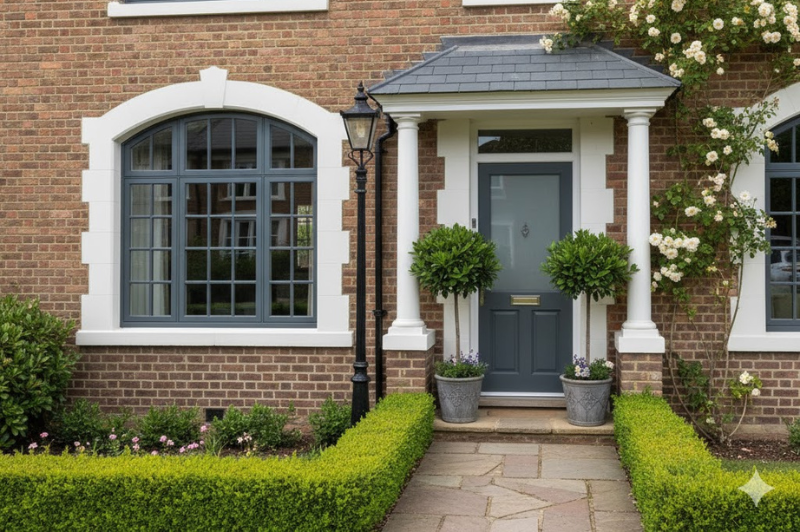
When it comes to home design, few details shape a property’s first impression as strongly as its windows and doors. They’re not just practical necessities — they define character, influence energy efficiency, and anchor the entire architectural style of a house. Whether you live in a Victorian terrace, a modern townhouse, or a country cottage, choosing the right materials, colours, and designs can transform both the look and the feel of your home.
Why Windows and Doors Matter
Think of your home’s façade as its face: the door is the smile that greets guests, and the windows are its eyes. A mismatched or poorly chosen design can throw off an otherwise beautiful home, while the right choices can enhance period details, add light, and even increase property value.
Today’s homeowners also have to balance appearance with performance. Advances in manufacturing mean you no longer have to choose between traditional looks and modern insulation. Timber, aluminium, and uPVC frames can all be tailored to suit the era of your property — and each comes with its own aesthetic and practical advantages.
Timeless Charm: Victorian and Edwardian Homes
If your house dates from the late nineteenth or early twentieth century, authenticity is everything. Victorian and Edwardian homes were built with proportion, symmetry, and detail in mind, so your doors and windows should echo those values.
Windows: The hallmark of these periods is the classic sash window, featuring slender frames that slide vertically. Traditionally made from timber, these designs have stood the test of time for both beauty and ventilation. Today, you can choose double-glazed timber or even uPVC sash replacements that retain the heritage look while improving energy efficiency. Small details like glazing bars, decorative horns, and period-style locks make all the difference.
Doors: Victorian front doors are bold and welcoming. Typically, they feature raised panels, stained or etched glass, and deep, rich paint colours — think forest green, navy blue, or oxblood red. Brass or black iron fittings, such as letter plates and knockers, complete the authentic look. For Edwardian homes, lighter shades like sage, cream, or duck-egg blue can highlight the era’s slightly softer aesthetic.
The key is harmony. A glossy black composite door might suit a modern house beautifully, but it would jar against a bay-fronted Victorian terrace. Restoring or replicating original features pays dividends, not just visually but in preserving the property’s heritage.
Rustic Warmth: Country Cottages and Farmhouses
In contrast, rural homes call for a gentler, more handcrafted touch. Cottages and farmhouses often feature irregular walls, stone or brick façades, and smaller openings, so sleek modern designs can feel out of place.
Windows: Flush casement windows — where the sash sits neatly within the frame — complement the traditional look. Timber remains the gold standard for authenticity, but modern uPVC versions can mimic the grain and tone of wood without the need for regular painting. Opt for muted, earthy colours such as cream, soft green, or pale grey.
Doors: A stable-style door is a natural fit for cottage properties. Split horizontally, it allows you to open the top half for ventilation while keeping the bottom closed — a practical feature that also adds storybook charm. Choose a lightly textured finish, perhaps with iron hinges or a small glazed panel, to enhance the rustic feel.
Small decorative choices — a wrought-iron handle, a heritage door knocker, or leaded window panes — can make a big impact, preserving the home’s pastoral charm while meeting modern standards of security and insulation.
Sleek and Simple: Contemporary Homes
Modern architecture celebrates minimalism, light, and clean lines. If your home is a new build or has a contemporary design, then less is often more.
Windows: Large panes and slim frames help blur the boundaries between indoors and out. Aluminium is an excellent choice here: it’s durable, recyclable, and allows for ultra-thin profiles that maximise glass area. Tilt-and-turn or casement windows with anthracite or black frames create a crisp, architectural look.
Doors: For contemporary entrances, think in terms of geometry and material contrast. Composite or aluminium doors with flush surfaces, horizontal grooves, or side-light panels are particularly striking. Glazing can be frosted or tinted for privacy without sacrificing brightness. Minimalist hardware — perhaps in brushed steel or matte black — keeps the look streamlined.
In modern settings, bold colours can work beautifully. A deep charcoal or statement black front door can ground the design, while a pop of teal or red can make an otherwise neutral façade come alive.
Urban Elegance: Townhouses Old and New
Townhouses, whether Georgian, Victorian, or freshly built, demand an approach that balances sophistication with function. Space is often at a premium, so proportions and finish matter as much as materials.
Period townhouses benefit from the continued use of sash or bay windows, retaining symmetry and elegance. Painted timber frames in white or cream emphasise height and rhythm across a terrace. A solid panelled door — perhaps with a fanlight window above — preserves the building’s dignity and formality.
Modern townhouses, on the other hand, often feature composite or uPVC doors paired with sleek casement windows. Slim profiles and darker frames (grey, black, or graphite) lend a metropolitan edge. Here, architectural lighting and subtle detailing around the doorway can elevate even a modest entrance into a standout feature.
The Power of Colour and Customisation
Choosing the right colour palette can completely change a home’s personality. Soft heritage shades — cream, sage, or muted blues — complement older properties, while monochrome or metallic tones enhance modern builds. If you’re hesitant about bold colours, start small: paint the door a contrasting shade while keeping the windows neutral.
Customisation is now easier than ever. Bespoke manufacturers can match original proportions, glazing styles, and even historic mouldings. From etched glass panels to hand-crafted handles, it’s possible to create a design that feels both unique and in tune with your home’s story.
Balancing Style, Performance, and Sustainability
Aesthetics aren’t everything. Energy efficiency, noise reduction, and sustainability are increasingly central to modern home improvement.
- Double or triple glazing dramatically reduces heat loss and outside noise.
- Composite doors combine timber cores with insulating layers, offering the best of both worlds.
- Recyclable materials like aluminium and sustainably sourced timber help reduce environmental impact.
- Professional installation ensures airtight seals, preventing draughts and condensation issues that can arise from DIY fitting.
By investing in high-quality materials and craftsmanship, homeowners can enjoy the beauty of traditional design with the comfort of twenty-first-century performance.
Final Thoughts
Windows and doors are more than just openings in a wall — they’re a reflection of how a home lives and breathes. When chosen thoughtfully, they can elevate curb appeal, preserve heritage, and create harmony between indoors and out. Whether you’re restoring a Victorian terrace, modernising a townhouse, or breathing new life into a country cottage, the right combination of material, colour, and design will ensure your home stands proud for decades to come.